

Key Points
• A panel of vets has called for restrictions on some over-the-counter flea treatments.
• Concerns focus on products containing fipronil and imidacloprid.
• Some vets want to move away from routine monthly preventative treatments.
• Environmental scientists say the chemicals may affect wildlife when they enter waterways.
• Defra is currently gathering evidence and considering potential changes.
What Happened?
A House of Lords inquiry examining environmental pollution has heard evidence from veterinary professionals and scientists about the use of certain flea treatments for dogs and cats.
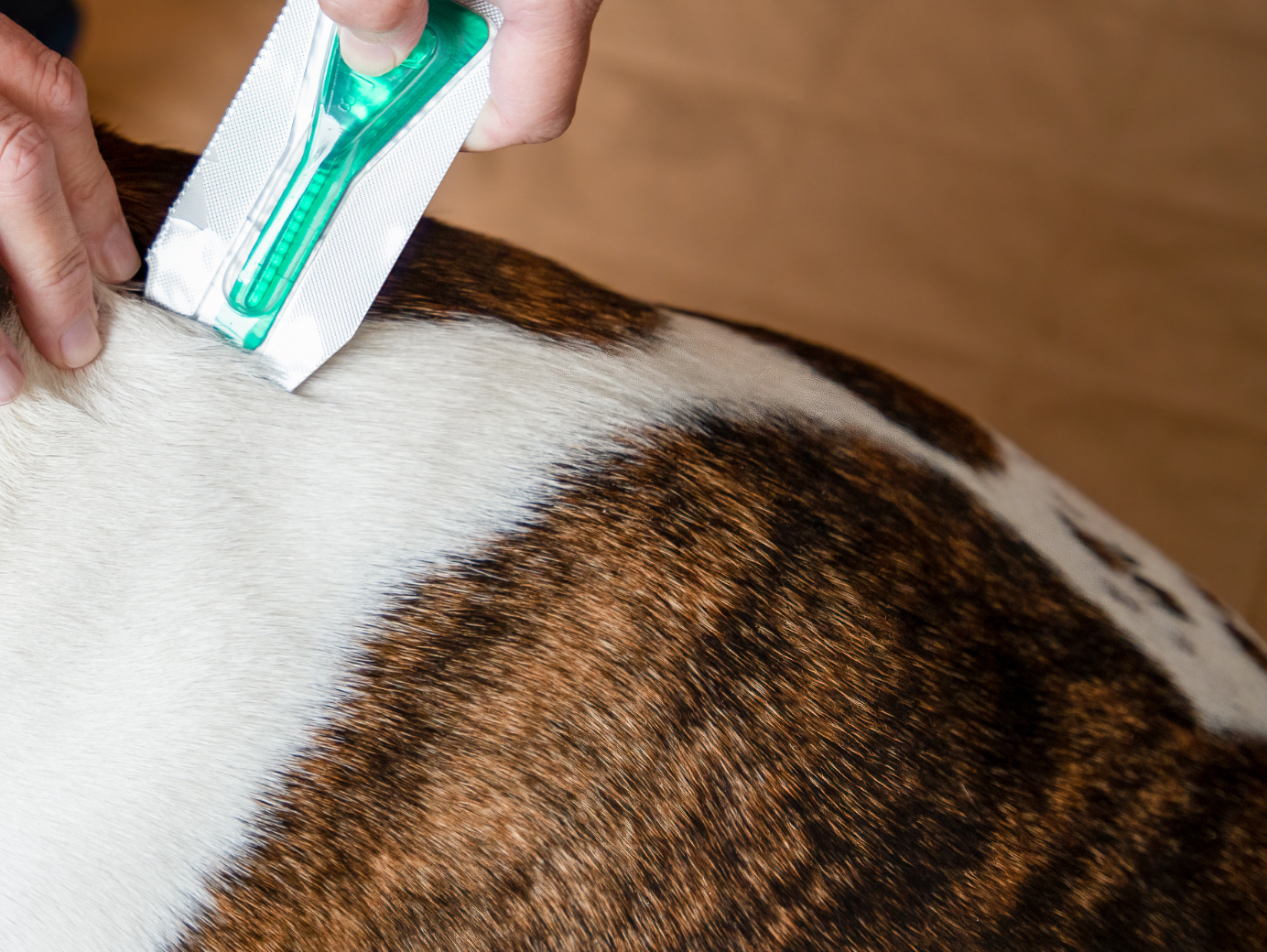
The discussion centred on two active ingredients commonly found in spot-on flea products: fipronil and imidacloprid. Experts told the committee that these chemicals may be contributing to environmental contamination after being washed from pets into rivers and streams.
Several veterinary professionals argued that these products should no longer be freely available over the counter and should instead be supplied through veterinary practices.
Why Are Flea Treatments Being Questioned?
According to evidence presented to peers, concerns relate primarily to the environmental impact of some flea treatment ingredients rather than their intended use for parasite control.
Scientists told the inquiry that fipronil and imidacloprid can be harmful to aquatic insects at very low concentrations. These insects form an important part of the food chain for fish, birds, and other wildlife.
Both chemicals were previously restricted for certain agricultural uses due to concerns about their effects on pollinators and other species.
What Are Vets Saying?
Some veterinary professionals giving evidence suggested that routine monthly preventative treatment may not always be necessary for every pet.
Instead, they argued that parasite control should be based on individual risk factors and evidence of infestation, rather than blanket treatment throughout the year.
The British Veterinary Association’s senior vice president, Dr Elizabeth Mullineaux, told the committee that surveys of veterinary professionals indicate growing support for reviewing current approaches to flea treatment use.
What This Means for Dog Guardians
• There is currently no ban on flea treatments containing fipronil or imidacloprid.
• Spot-on flea treatments remain legally available in the UK.
• Defra is still gathering evidence and no final decisions have been announced.
• Pet guardians should continue to follow veterinary advice that is appropriate for their individual dog or cat.
• Recommendations may differ depending on a pet’s lifestyle, health status, age, and exposure to parasites.
Industry Response
The National Office of Animal Health (NOAH), which represents the UK animal health industry, told the inquiry that parasite control remains an important part of protecting animal health and welfare.
The organisation said it supports the ongoing consultation process and highlighted the UK’s regulatory framework for veterinary medicines.
What Happens Next?
Defra is currently reviewing evidence relating to the environmental impact of spot-on flea and tick treatments. The government has launched a call for evidence and is considering whether changes to the sale or use of some products may be needed.
No changes to current regulations have been announced at this stage.
Read the Evidence
The information in this article is based on evidence presented to the House of Lords Environment and Climate Change Committee during its ongoing inquiry into pet parasite medications.
The committee heard evidence from veterinary professionals, environmental scientists, regulators, and industry representatives regarding the use of flea and tick treatments, their effectiveness, and their potential environmental impact.
Pet guardians, veterinary professionals, and industry stakeholders can view the inquiry and supporting evidence through the UK Parliament website.
Read the inquiry and evidence here:
Add a comment