

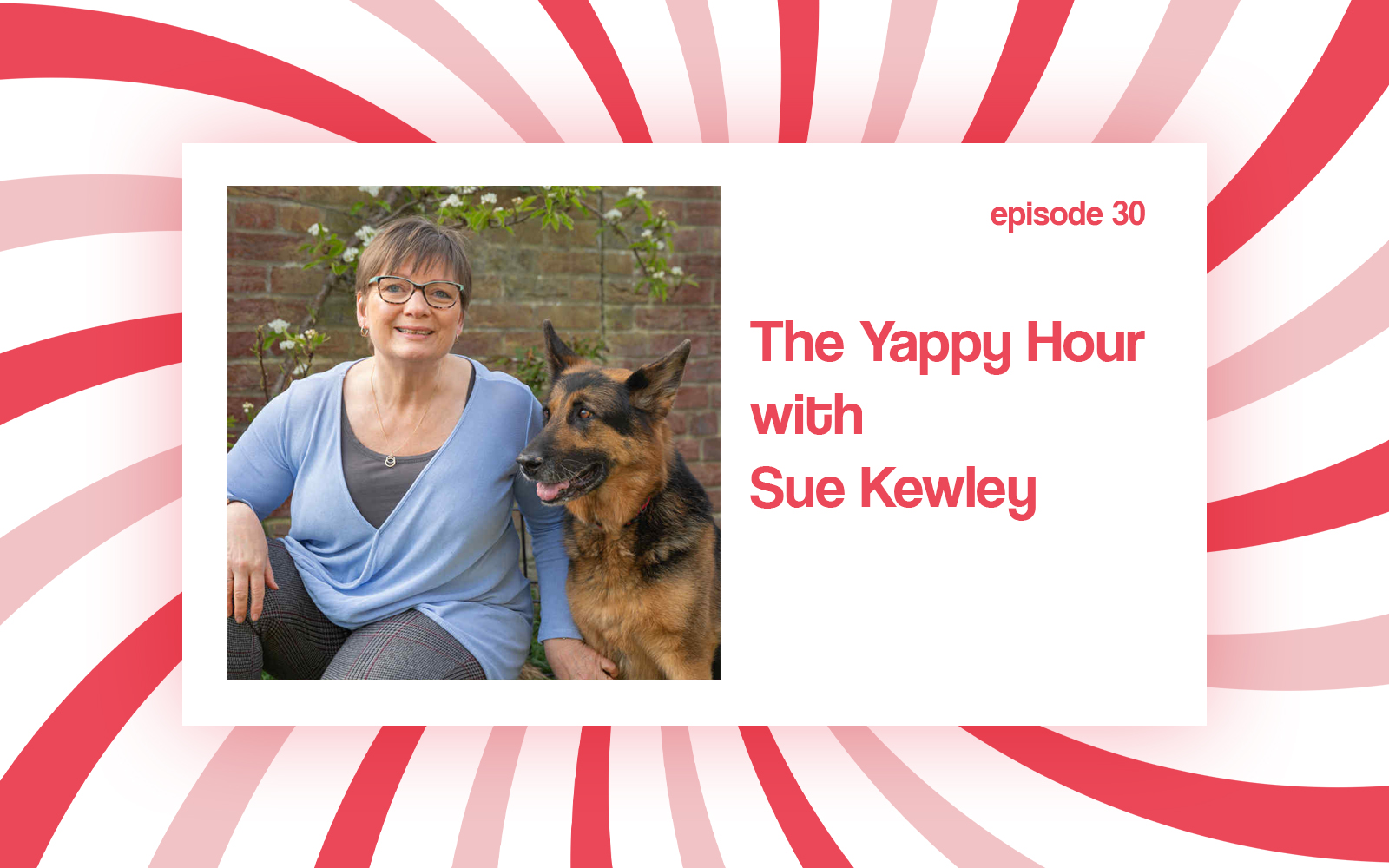
Welcome to The Yappy Hour, powered by Yappily!
German Shepherds are sensitive, emotionally complex dogs, NOT the “tough, dominant” breed many believe them to be.
In this episode of The Yappy Hour, Sue Kewley, founder of The Happy Shepherd and 35-year German Shepherd expert, dismantles the myths that damage GSDs and reveals why connection, not control, is the key to unlocking their potential.
We cover their emotional needs, why intelligence can work against them, the truth about reactivity, what real-world socialisation looks like, and how gentle guidance beats force every single time.
What You’ll Learn in This Episode:
✅ Why German Shepherds are incredibly sensitive and emotionally aware dogs despite their tough exterior
✅ The common misconceptions about GSDs that lead to training mistakes and relationship breakdowns
✅ How intelligence can work against German Shepherds when their needs aren’t properly met
✅ The truth about “firm handling” and why connection matters more than control
✅ What a fulfilled German Shepherd’s daily life should look like, including mental enrichment
✅ Why German Shepherds often get kicked out of puppy classes and what to do instead
✅ The biggest challenges GSD guardians face (reactivity) and how to address them early
✅ How to balance structure with flexibility without over-controlling your shepherd
✅ The importance of focusing on emotional needs rather than just training drills
✅ What to look for when choosing a German Shepherd puppy and breeder
Key Takeaways:
German Shepherds are emotionally deep, not just physically capable. They thrive when their mental and emotional needs are truly understood and supported
Sensitivity over stereotypes. GSDs have an inherent negative bias and are hyper-aware of their environment, making them emotionally sensitive despite appearing tough
Connection over control. Tight leads trigger reactivity; gentle, quiet communication works better than force or dominance-based methods
Intelligence requires guidance. Without proper direction, German Shepherds can quickly learn undesirable behaviours and become “self-employed”
Early socialisation matters differently. Real-world exposure is more valuable than traditional puppy classes, which often don’t suit GSD temperaments
Reactivity is the biggest challenge. It stems from unmet needs, not aggression, and addressing it early prevents deeply ingrained behaviours
Enrichment is essential. Foraging, scent work, tracking, and man-trailing tap into natural talents and prevent behavioural issues
Choose breeders carefully – Early neurological stimulation and proper socialisation from 4 weeks onward are critical for well-adjusted GSDs
They need to switch off. German Shepherds require help learning to relax and not constantly be “on guard”
Partnership, not training drills. Focus on building a relationship through understanding their emotions and being their advocate
Thanks for tuning in! Let’s celebrate the joy and challenges of dog parenting together, because we’re all here for the dogs.
Connect with Sue Kewley
Connect with Nathan and Yappily
Are you a compassionate Dog Pro?
If you’re a behaviourist, dog trainer, dog walker, house sitter, vet, or groomer, and you believe in ethical care, we’d love for you to list your business on our directory. ????
To celebrate the launch of The Yappy Podcast we have a special code for you which gives 50% off a premium listing! sign up below to receive your code which you can then use at checkout.

The Yappy Hour Podcast is available anywhere you listen:
and we’d love for you to leave us a review!
Add a comment