

Safety always comes first
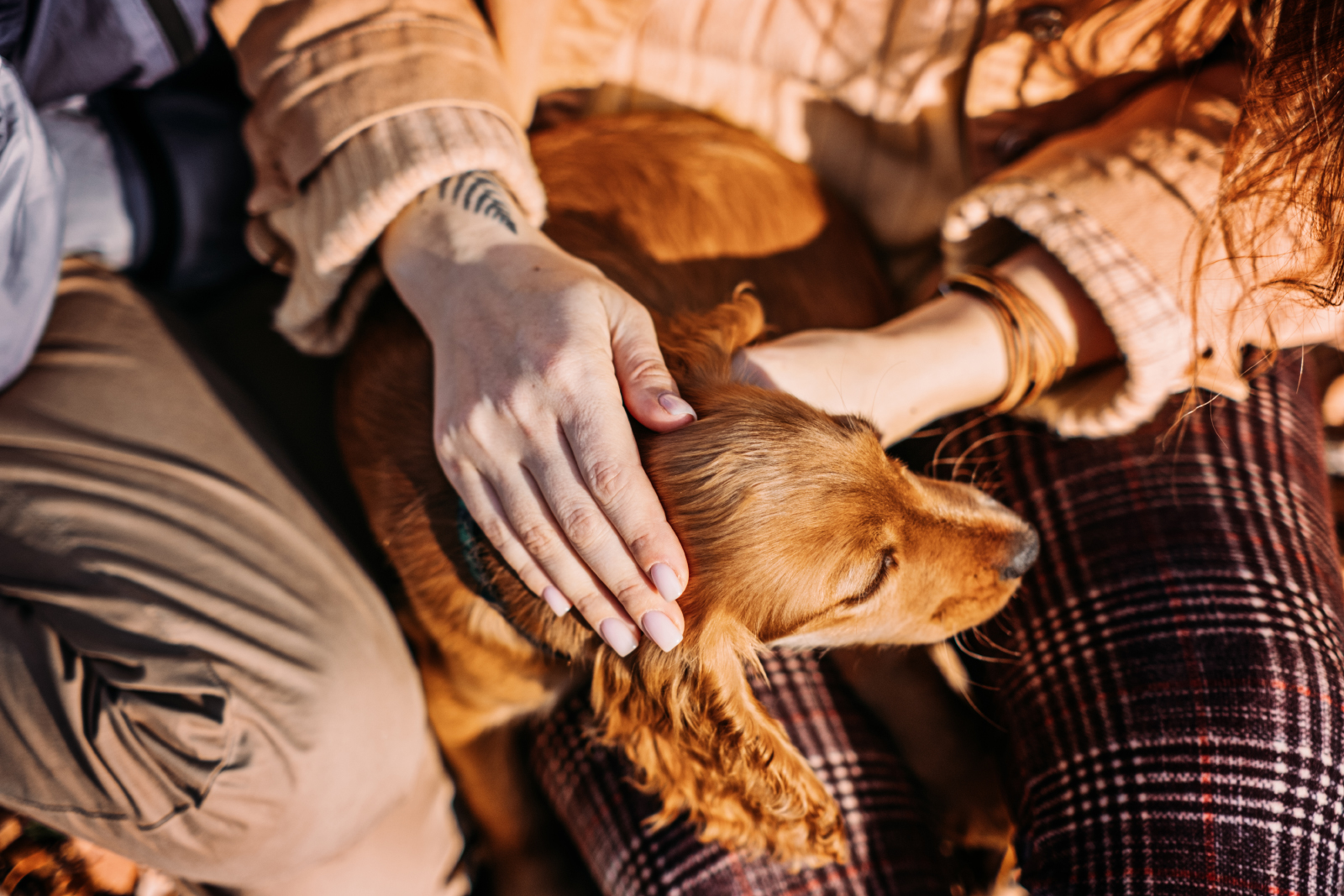
Ethical dog care always begins with safety. This includes both physical safety and emotional safety. A dog who does not feel safe cannot relax, learn properly or cope well with everyday life.
Your dog should:
- Feel safe in their home
- Feel safe when being handled
- Feel safe when learning
- Feel safe when out on walks
Safety means not using fear, pain or force. It also means protecting your dog from harm, rough handling and situations that overwhelm them. When a dog feels safe, everything else becomes easier.
Health and Vet care
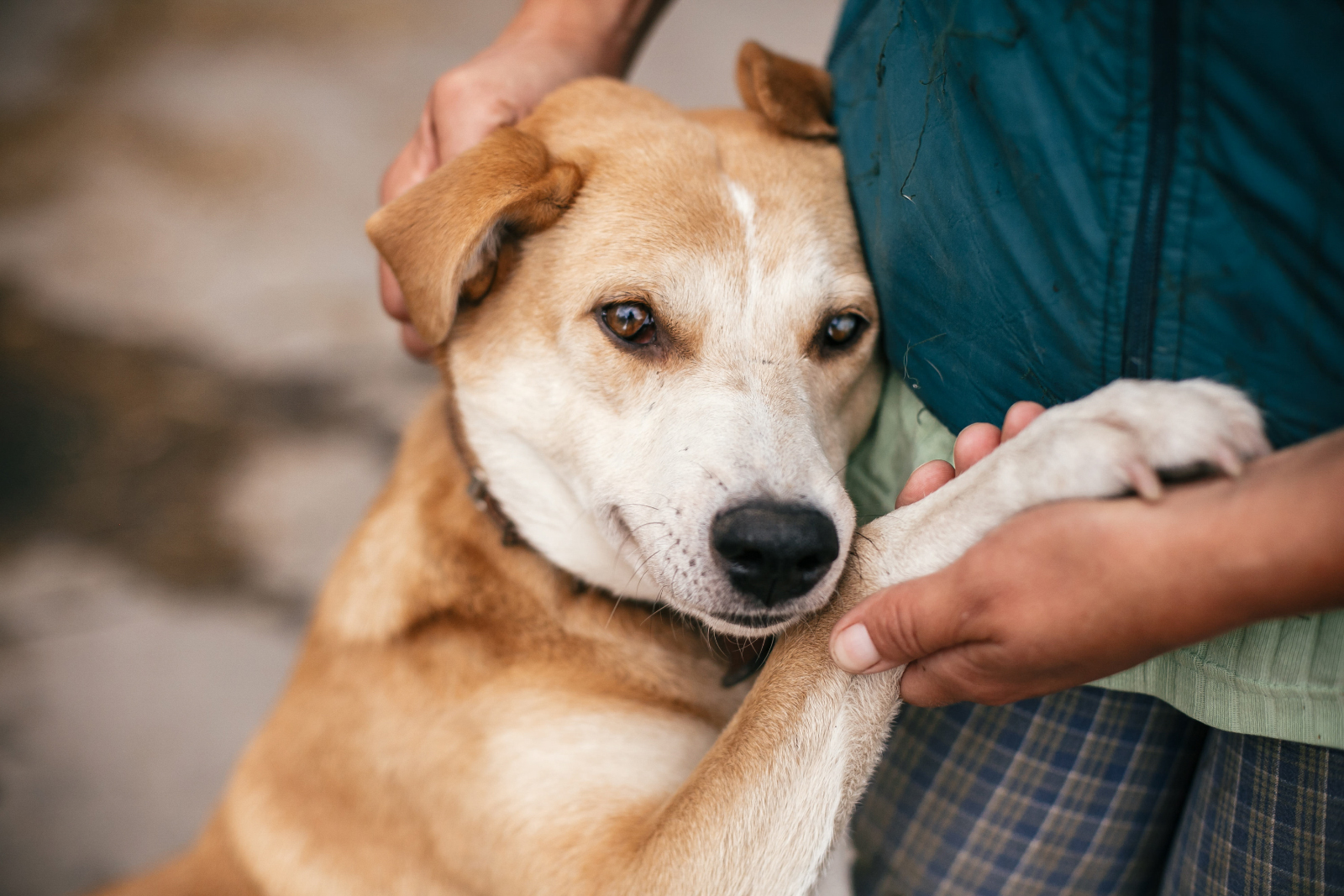
Ethical dog care means taking your dog’s health seriously and not ignoring problems.
This includes:
- Regular vet checks
- Not ignoring signs of pain
- Using pain relief when needed
Dogs often hide pain, so changes in behaviour, movement or mood should always be taken seriously. Looking after health properly is a key part of kind care.
Kind training and learning
Ethical dog care means teaching in a way that does not use fear, pain or intimidation.
This looks like:
- Using treats, praise, and play to teach
- Helping your dog understand what to do
- Being patient when your dog is struggling
- Not using punishment, fright or force
Dogs learn best when they feel safe and supported. Kind training builds confidence, trust and long term learning. If you need any help or want to take your puppy to classes, ensure that your dog trainer or dog behaviourist is a qualified and kind dog professional.
Gentle grooming and handling
Ethical dog care continues during grooming and everyday handling. How a dog is touched and held matters.
This means:
- No forcing
- No holding down
- Giving breaks when needed
- Using calm and gentle hands
Dogs who are handled kindly learn to trust being touched. This makes grooming, vet visits and daily care much easier and far less stressful.
Walks that suit the dog
Ethical dog walks are not about distance, speed or tiring a dog out. They are about what your dog needs emotionally and mentally.
This includes:
- Letting your dog sniff
- Walking at their pace
- Avoiding busy places if your dog finds them scary
- Not dragging your dog along
Walks should help your dog feel calmer, not more stressed. A good dog walker meets your dog’s needs, not just a step target.
Rest and quiet time
Dogs need proper rest to feel balanced and calm. A tired dog is not always a calm dog. Overtired dogs often become noisy, jumpy or unsettled.
Ethical dog care means:
- Letting your dog sleep without being disturbed
- Not expecting constant attention
- Giving quiet time after busy days
Rest allows the body and mind to recover. It is just as important as walks and play.
Play and enrichment
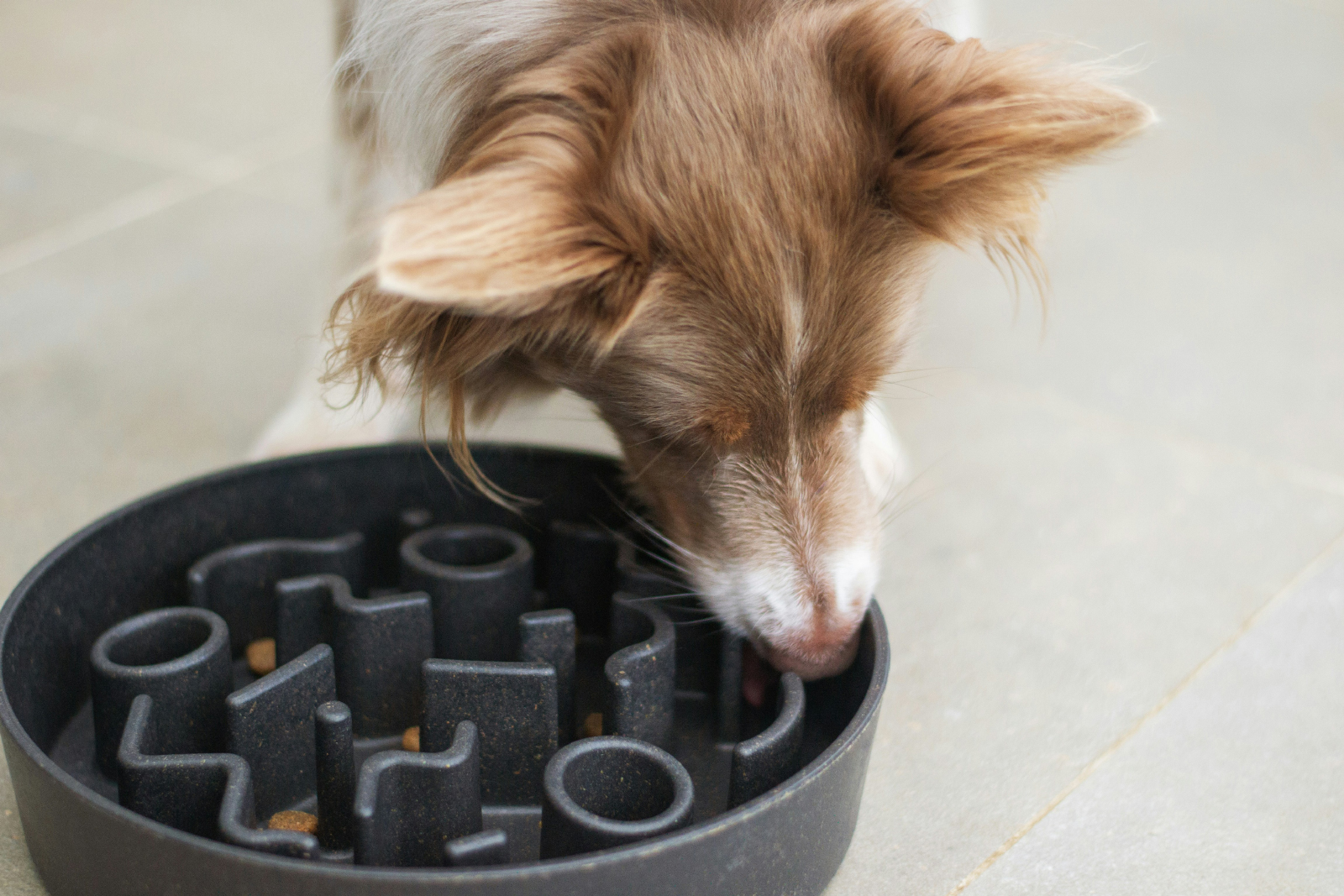
Dogs need more than walks. They also need things to do with their brains to prevent boredom and frustration.
Ethical dog care includes:
- Chewing
- Sniffing games
- Play that suits your dog
- Puzzle toys
- Calm enrichment at home
Enrichment helps dogs relax, think and feel satisfied. It also reduces many unwanted behaviours caused by boredom.
Social needs and boundaries
Not all dogs enjoy other dogs or busy social settings. Ethical dog care respects this instead of forcing interaction.
This means:
- Not forcing dogs to play
- Letting dogs choose their friends
- Respecting when a dog wants space
A dog who is allowed boundaries feels safer and more confident.
Choosing the right help
Ethical dog care also means choosing the right people to help you when you need support.
Look for professionals who:
- Use kind methods
- Do not use fear or pain
- Are properly trained and qualified
- Care about your dog’s wellbeing, not just results
- Have the appropriate insurance and licenses when needed.
This applies to trainers, behaviourists, groomers, home dog boarders, daycare providers and walkers. The wrong help can make problems worse. The right help can change everything.
What Ethical Dog Care is NOT
Ethical dog care is not about forcing dogs to behave through fear, pain or pressure.
It is not:
- Using painful tools like prong collars, E-collars/shock collars
- Shouting or intimidating
- Using balanced training
- Alpha rolling
- Punishing growling
- Expecting dogs to just cope
If fear or pain is being used, the care is not ethical.
Ethical Dog Care for pet owners in the UK
This guide is for all pet owners and dog owners who want to be kind, responsible, and informed. Ethical pet profesionals support true dog welfare, from the new puppy stage right through to old age. Every canine is different and should be supported individually, not treated as part of a one size fits all pack.
Good ethical care brings many benefits. It helps your dog feel safe, builds a strong bond, improves daily activity, and supports long-term health and comfort at home and out on every walk.
It also means:
- Choosing the right veterinary and vet support when your dog needs medical care or treatment
- Understanding how pain, joint issues, disease, heat, winter weather and being susceptible to illness can affect behaviour and health
- Using good hygiene, safe product choices, and proper first aid knowledge when needed
- Supporting fearful or reactive dogs in a kind way
- Providing the right toy, play, and enrichment for your dog’s age, breed and life stage
Ethical dog care also looks at the wider picture, including environmental impact, home security, and the standards of the wider dog care industry. Choosing a professional who works kindly and safely matters just as much as what you do at home.
Above all, ethical dog care is guided by knowledge, patience, and care. It avoids anything painful, frightening, or forceful.
Final thought
Ethical dog care is about the whole dog. Not just training. Not just walks. Everything.
It is about:
- Safety
- Health
- Kind learning
- Gentle handling
- Rest
- Food
- Play
- Social choice
- And choosing the right help
Small, kind choices made every day can fulfil your dog’s life.
Ethical Dog Care FAQ’s
What is ethical dog care?
Ethical dog care means looking after your dog in a kind, safe and fair way. It means meeting their needs for health, comfort, rest, play, learning, food and emotional safety without using fear or pain.
Is ethical dog care just about training?
No. Ethical dog care is about the whole dog. It includes health care, grooming, walking, rest, food, play, enrichment, social needs and choosing the right professional help, not just training
Do I really need regular vet checks if my dog looks healthy?
Yes. Dogs can hide pain and illness very well. Regular vet checks help catch problems early before they become serious. Looking after your dog’s health is a big part of ethical care.
Is reward-based training better for dogs?
Yes. Reward-based training teaches dogs what to do without using fear, pain or intimidation. It helps dogs feel safe and confident while they learn.
What is not ethical dog training?
Training that uses fear, pain, force, balanced methods, alpha rolling, sprays, prong collars, e-collars or punishment is not ethical. These methods can cause fear, shut down and long-term behaviour problems.
What if my dog is scared of grooming?
Ethical care means slowing things down, using gentle handling, giving breaks, and never forcing your dog. With patience and kindness, many dogs learn to feel safer over time. Consent-based grooming is the future!
My dog has lots of energy. Do they just need more walks?
Not always. Dogs also need mental stimulation like sniffing, chewing, games and play. Too much physical exercise without rest and calm enrichment can make some dogs more unsettled.
Can ethical dog care help reactive or anxious dogs?
Yes. Many dogs become reactive due to fear and stress. Ethical care focuses on helping dogs feel safe, supported and understood instead of punishing their reactions.
How should I choose a dog trainer, groomer or walker?
Choose professionals who are qualified and use kind, reward-based methods, do not use fear or pain, and put your dog’s well-being first. You can find ethical professionals on our directory.
Add a comment