

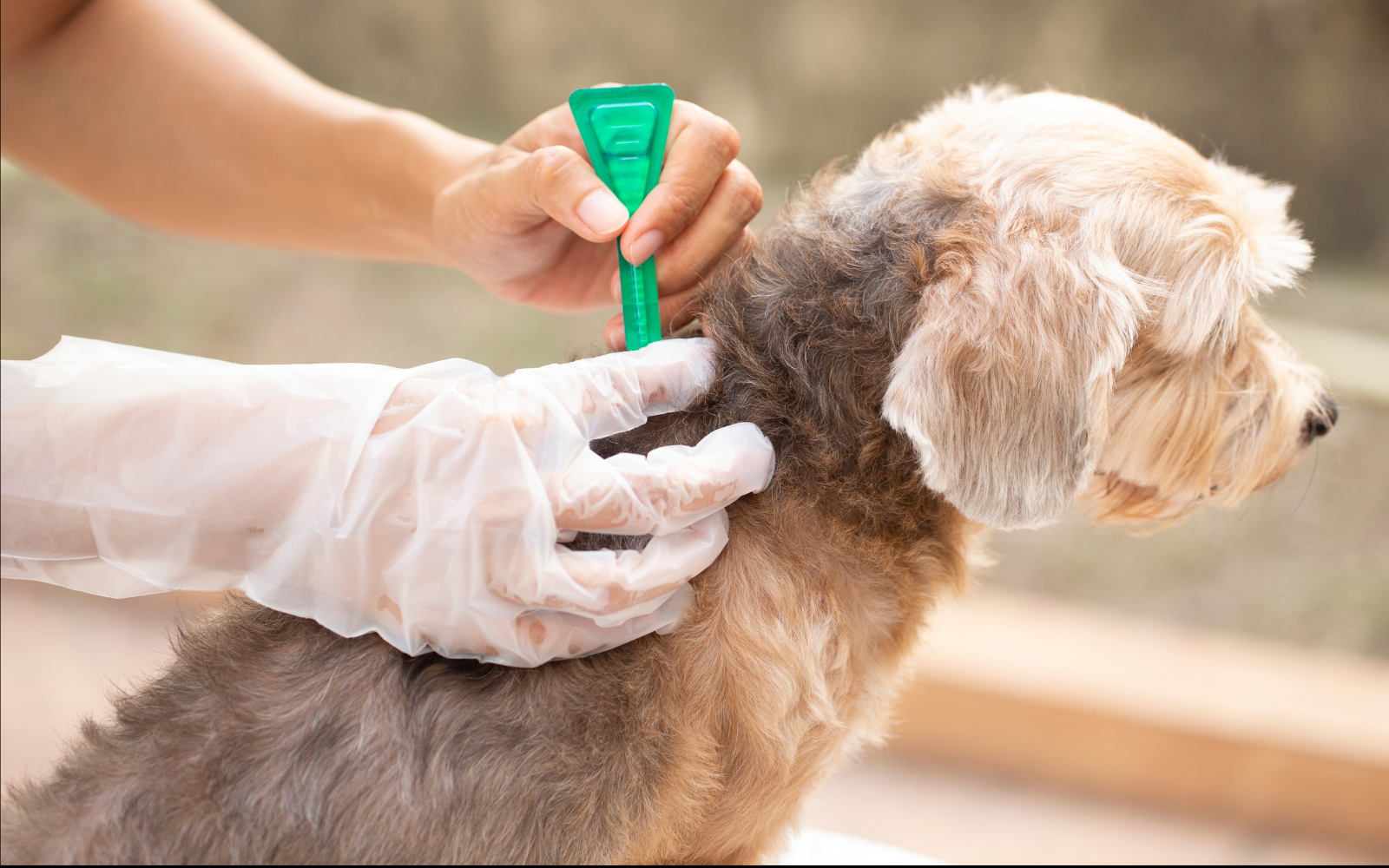
A House of Lords committee has called for a major change in how flea and tick treatments are sold in the UK, recommending an end to the routine over-the-counter sale of many products amid growing concerns over their impact on the environment.
The recommendation forms part of the committee’s latest report, Paws for Concern: Pets, Parasites and Pollution, which examines the environmental impact of veterinary parasite treatments. Peers say the widespread preventative use of certain flea and tick products is contributing to pollution in rivers and waterways, with potentially serious consequences for wildlife and ecosystems.
Importantly, the report does not call for flea and tick treatments to be banned. Instead, it recommends that products containing certain insecticides should only be supplied following professional veterinary advice, rather than being freely available in supermarkets, pet shops and online retailers.
Why is the committee concerned?
The report highlights concerns over two commonly used active ingredients, fipronil and imidacloprid, which are widely used in topical “spot-on” flea and tick treatments.
According to the committee, growing evidence suggests these chemicals are entering rivers and other watercourses after being washed from pets or transferred into the wider environment. Even very small concentrations have been linked to harm in aquatic invertebrates and other wildlife.
The committee also heard evidence that contaminated pet fur has been found in wild bird nests, with studies suggesting a possible link between these chemicals and poorer breeding success in some bird species.
A move towards targeted treatment
Rather than recommending routine preventative treatment for every pet, the committee believes parasite control should be based on an individual animal’s lifestyle, health, location and level of risk.
It says veterinary professionals should play a greater role in advising owners on whether treatment is necessary and which products are most appropriate, rather than encouraging blanket, year-round use.
The British Veterinary Association has welcomed calls for pet owners to receive tailored professional advice, while recognising that flea and tick treatments continue to play an important role in protecting animal and public health.
What happens next?
At this stage, nothing changes for pet owners.
The report contains recommendations to Government rather than new legislation, meaning flea and tick treatments remain available as they are today unless ministers decide to introduce changes following consideration of the committee’s findings.
The Veterinary Medicines Directorate has already been reviewing the environmental impact of parasite treatments and previously consulted on how products containing fipronil and imidacloprid should be supplied in future.
What does this mean for pet owners?
For now, pet owners should continue to follow veterinary advice when treating their pets for fleas and ticks.
The report is likely to reignite debate over whether routine preventative treatment should remain the norm, or whether a more targeted approach could better balance animal welfare with environmental protection.
Frequently asked questions
Are flea and tick treatments being banned?
No. The House of Lords committee has recommended ending the routine over-the-counter sale of certain products, but no ban has been introduced.
Can I still buy flea treatments?
Yes. There are currently no changes to the availability of flea and tick treatments.
Why is the committee concerned?
The report says growing evidence suggests some active ingredients used in parasite treatments are entering rivers and waterways, where they may harm wildlife and aquatic ecosystems.
Would treatments still be available?
Under the committee’s recommendation, treatments would still be available, but access would be through veterinary advice rather than routine retail sales.
What happens next?
The report makes recommendations to the Government. Ministers will decide whether any changes to current regulations should be introduced.
Useful links
- Veterinary Medicines Directorate – Environmental impacts of flea and tick treatments
- British Veterinary Association
The Wildlife Trusts – Protecting wildlife and the environment
Looking for trusted pet health advice?
Whether you’re choosing the right flea and tick treatment, looking for a trusted veterinary practice or searching for qualified pet professionals, Yappily is here to help.
Explore our growing collection of expert advice, Newsdesk articles and trusted local directories to help you make informed decisions about your pet’s health and wellbeing.
Browse Yappily:
https://yappily.co.uk/
Are you a veterinary practice or pet professional?
Join Yappily‘s trusted directory and connect with pet owners looking for welfare-led services.
Add a comment