

Looking for a home dog boarder or home-based daycare?
Our Yappily guide explains why council licensing matters, what a licensed provider has to demonstrate and the simple checks every dog parent should make before leaving their dog in someone else’s care.
Home dog boarding and home-based daycare have become an important part of modern dog ownership.
We work, travel, take holidays, attend weddings and have family commitments. Sometimes life simply gets in the way and our dogs can’t come with us.
Finding somebody you and your dog trust can make life so much easier.
A good home boarder gives you that invaluable Plan B. Your dog gets to know another person and another safe place, while you have somebody you can turn to when you need help.
And when it’s done properly, home-based care can be brilliant. Your dog can enjoy companionship, walks, enrichment, individual attention and plenty of rest in a comfortable home environment.
But not all home boarding is the same.
There is a big difference between somebody who simply offers to look after dogs in their house and a professional, properly licensed home boarding business.
Understanding that difference is really important.
A quick note about daycare: when we talk about daycare in this guide, we mean home-based daycare where dogs are cared for in the provider’s domestic home. Daycare operating from commercial, non-domestic premises has different licensing conditions and standards, which we’ll cover in a separate Yappily guide.
Home Dog Boarding Is Licensed for a Reason
In England, businesses providing home boarding for dogs must be licensed by their local authority when they fall within the licensing rules. This includes providing day and overnight accommodation for other people’s dogs in a domestic home.
Getting that licence isn’t simply a case of filling in a form and paying a fee.
Before granting a new licence, the council must inspect the premises and check that the business meets the required minimum standards. Further inspections can also take place after the licence has been granted.
The provider needs to demonstrate that they can meet requirements covering things such as:
- A safe, secure and suitable home environment.
- Appropriate sleeping and resting areas.
- A secure private outside area.
- Limits on the number of dogs being cared for.
- Safe introductions between dogs.
- Feeding and fresh water.
- Exercise suited to each dog.
- Enrichment and social interaction.
- Humane handling and reward-based training.
- Cleaning and disease control.
- Monitoring dogs for illness, stress, fear and changes in behaviour.
- Safe transport.
- Veterinary arrangements.
- Emergency procedures.
- Record keeping.
- Knowledge, training and continuing professional development.
That’s why council licensed means something.
There are real standards sitting behind those words.
The Home Has to Be Suitable
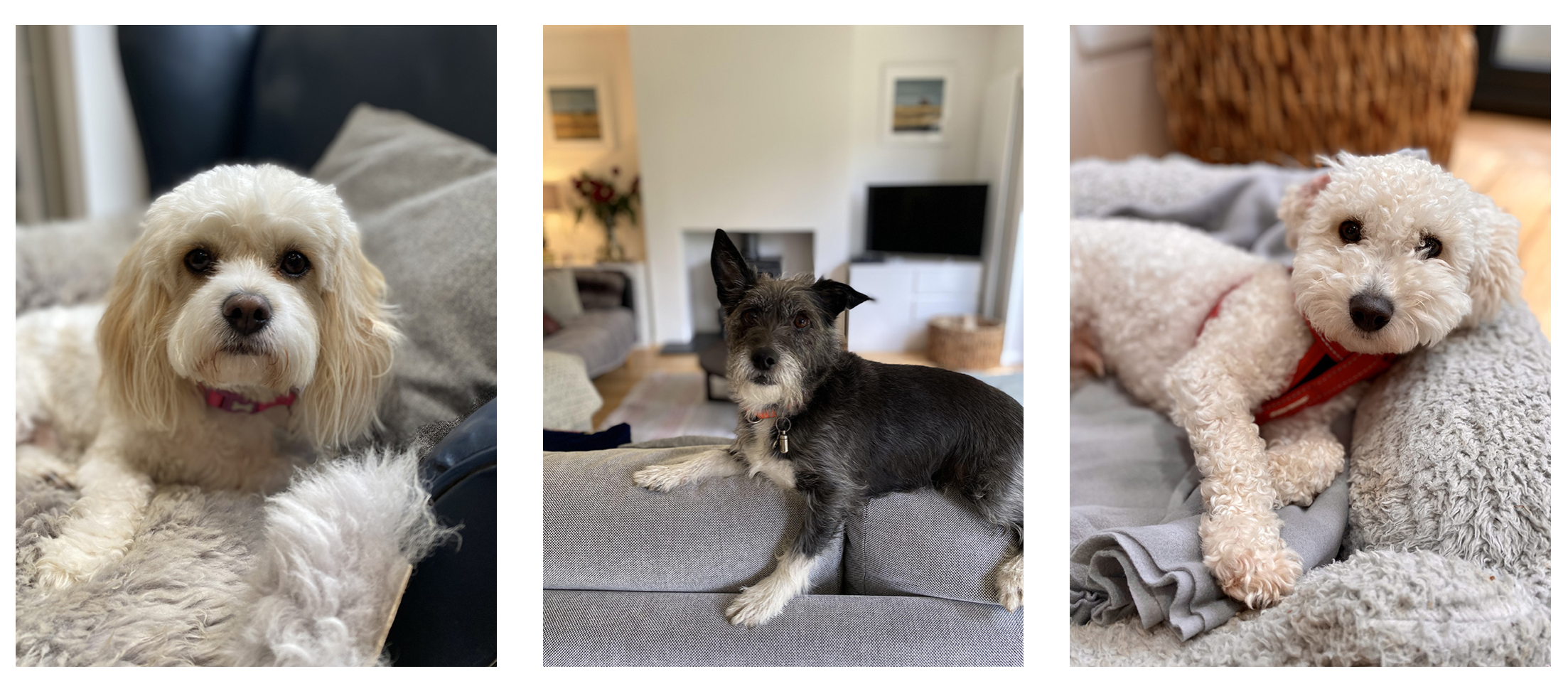
Home boarding means dogs are accommodated inside a domestic home.
They cannot simply be housed in outside buildings, cages or runs.
There must be enough indoor space for dogs to sleep comfortably and somewhere they can go when they want to rest. Dogs must also be capable of being physically separated when necessary.
The home needs direct access to a private, secure and hazard-free outside area, and there are specific requirements around security and preventing dogs from escaping.
When you visit, forget about whether the house looks perfect on Instagram.
Think about your dog.
Where will they sleep?
Where will they eat?
Where can they go for some peace and quiet?
Is the garden secure?
What happens when the front door opens?
Can dogs be separated safely?
A good boarding environment should feel like a home, but it should also feel safe, organised be clean and professionally managed.
There Is a Limit to How Many Dogs Can Be Boarded
A licensed home boarder cannot simply keep accepting dogs because they have more bookings.
Their licence must state the maximum number of dogs that can be home boarded at the property.
Undeclared numbers are a breach of the licence.
Ask:
How many dogs are you licensed to board?
And:
How many dogs will actually be here when mine stays, including your own dogs?
Some dogs love company. Others don’t.
An older, nervous or easily overwhelmed dog may be much happier in a quieter home.
The maximum number on a licence isn’t necessarily the right number for your dog.
Dogs Need to Be Properly Introduced
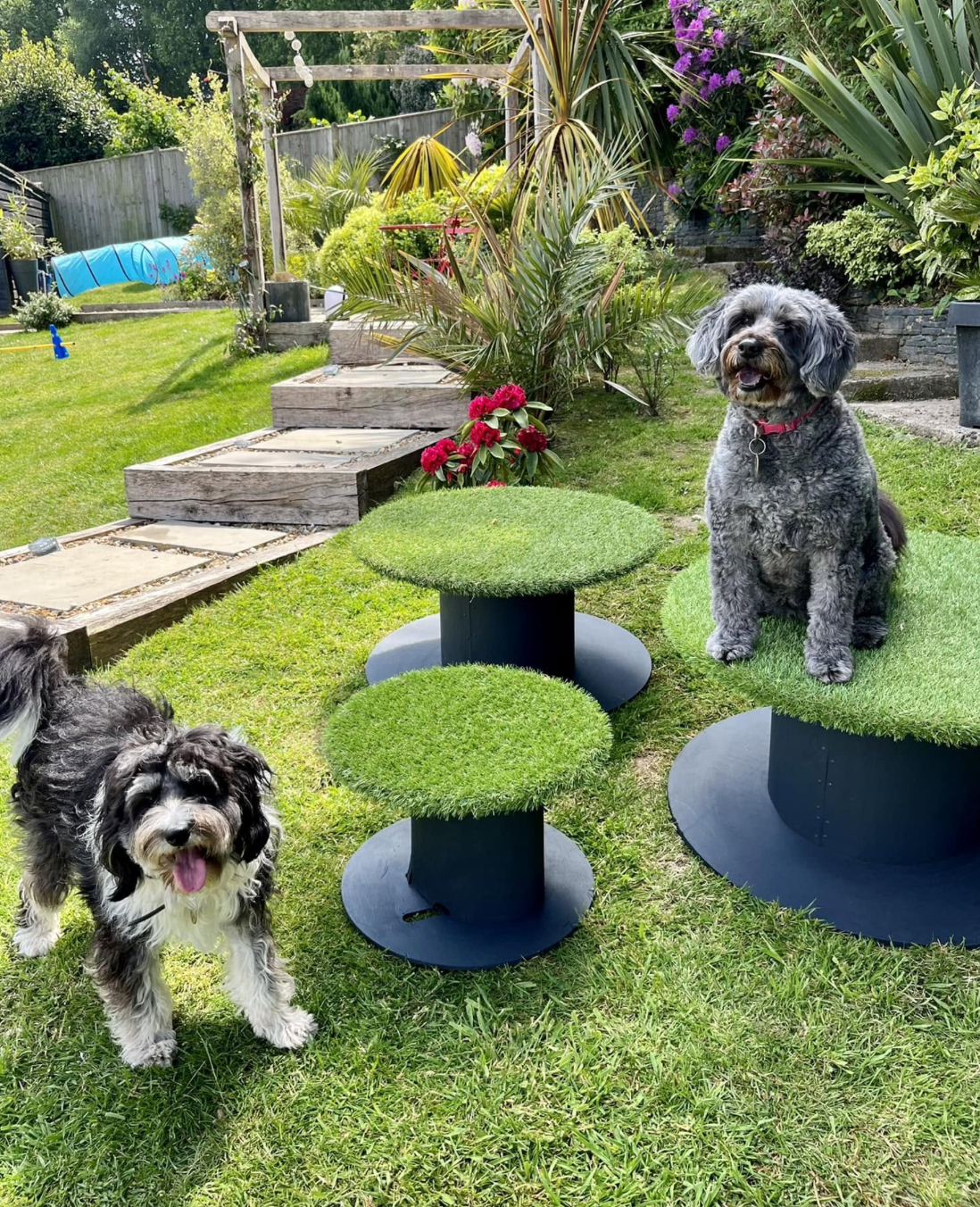
A good home boarder doesn’t simply put unfamiliar dogs together and hope for the best.
There must be procedures for managing new dogs entering the home boarding environment, and dogs need to be capable of being separated when required. Dogs from different households sharing the home also require the appropriate owner consent and familiarisation arrangements.
Ask how introductions work.
Ask what happens if two dogs don’t get along.
And ask what happens if your dog simply wants to be left alone.
A professional should have clear answers.
What Does a Good Home Dog Boarder Look Like?
A good home boarder should be interested in your dog before they’re interested in your booking.
They should ask about your dog’s health, personality, routine, food, medication, exercise, sleep, behaviour and fears.
They should want to know how your dog feels about other dogs and people.
They should also be prepared to say no.
Not every dog is suited to every home. A professional who turns down a booking because they don’t believe their environment is right for your dog is putting welfare before money.
Use the meet and greet to observe them too.
Do they give your dog time?
Do they notice when your dog wants space?
Do they listen to what you tell them?
You know your dog. Pay attention to how the interaction makes you feel.
How Will Your Dog Be Handled?
This is something we feel very strongly about at Yappily.
You can check a licence, qualifications and certificates.
But you cannot see into somebody’s heart or watch every interaction after you’ve driven away.
That’s why your own due diligence still matters.
DEFRA’s home boarding guidance says dogs must be handled humanely and in a way that minimises fear, stress, pain and distress.
Importantly, where training is used, it must be reward-based. Training methods or equipment must not cause pain, suffering or injury.
At Yappily, our position is clear.
Dogs in professional care should be treated with kindness. We support positive, reward-based, welfare-led handling. We do not support aversive methods or equipment being used to punish, intimidate or correct dogs.
Look out for things such as e-collars, choke or check chains, physical corrections or leads being deliberately used to correct dogs.
Ask what happens when things aren’t going perfectly.
What happens if your dog won’t come when called?
What if they pull?
What if they’re frightened?
What if they don’t want another dog near them?
How somebody handles those moments tells you a great deal about how they care for dogs.
A Good Professional Should Be Prepared to Say No to an Owner
This matters too.
If an owner asks a boarder to use an e-collar, choke or check chain, lead corrections or another aversive method on their dog, we believe a good, welfare-led professional should refuse.
“The owner told me to” is not a good enough reason to use methods or equipment that can cause pain or fear- you are the professional, so call it!
When your dog is in somebody else’s care, that professional has responsibility for their welfare.
A good boarder will explain why they won’t use aversive methods and will use appropriate management and reward-based handling instead.
Sometimes being a good dog professional means being prepared to say no.
Look at Their Social Media Properly
Social media can tell you a lot.
Watch videos.
Look at the dogs themselves.
Do they appear comfortable? Are they given space? How are they handled? How many dogs are together? What equipment is being used?
If you see aversive equipment or handling being used to punish, intimidate or correct dogs, we recommend choosing another provider.
You are trusting this person with your dog.
Look beyond the marketing.
Good Boarding Includes Enrichment AND Rest

A good day doesn’t mean exhausting a dog.
Licensed home boarders need to provide appropriate enrichment, including opportunities for things such as play, social interaction and other activities suited to the individual dog.
That might mean playing with another compatible dog, sniffing in the garden, exploring on a walk, enjoying a food toy or spending time with people.
But dogs also need to sleep.
A good home boarder recognises when a dog wants activity and when they need to switch off.
Your dog doesn’t need to come home exhausted to have had a good time.
Exercise Should Suit Your Dog
Dogs must receive appropriate daily exercise unless veterinary advice says otherwise.
The boarder needs your written consent for things such as walking your dog away from the home or garden, allowing them off lead and walking them with dogs from other households.
Under the home boarding licensing guidance, no more than six dogs may be walked together at the same time. The owner must consent to their dog being walked with other dogs, and the dogs must be familiarised with one another beforehand.
Remember, six is the legal maximum under the guidance, not a target. A good home boarder should consider whether the group size is actually appropriate for the individual dogs in their care.
How Will Your Dog Be Transported?
Your dog may travel in the boarder’s vehicle for walks, collection and drop-off or in an emergency.
Ask how.
The licensing guidance requires dogs to be safely restrained during transport using an appropriate crate, transport harness or dog guard. Crates must be secure, ventilated and large enough for the dog to stand, lie down and turn around.
Vehicles must be kept clean, and dogs must not be left in vehicles for unreasonable periods or where temperatures could put their welfare at risk.
If collection and drop-off are offered, ask:
How long will my dog normally spend in the vehicle?
How many other dogs will be travelling?
How many collections and drop-offs are made?
Home-based daycare should mean your dog spends their day enjoying appropriate care, not unnecessarily travelling around in a vehicle.
Transport is an even bigger consideration with some commercial daycare collection services, so we’ll cover that properly in our separate commercial daycare guide.
A Home Environment Still Needs Professional Hygiene
Homely doesn’t mean hygiene stops mattering.
Licensed home boarders need cleaning and disinfection procedures and measures to prevent and control disease. They also need to monitor dogs for illness and changes in health or behaviour.
You don’t need to carry out your own inspection.
Just pay attention.
Does the environment feel clean and organised?
Are food and water managed properly?
Does the number of dogs seem sensible for the space?
Good hygiene is part of good welfare.
There Should Be a Plan for Emergencies
Good professionals plan for things they hope will never happen.
Licensed businesses need procedures covering foreseeable emergencies, veterinary arrangements and what happens if a dog becomes ill, injured, escapes or needs urgent help.
Ask:
What happens if my dog becomes ill?
Which vet would you use?
What happens in a fire or emergency?
What happens to the dogs if you become ill?
You aren’t looking for a dramatic answer.
You’re looking for evidence that they’ve thought about it.
Knowledge and Continuing Professional Development Matter
Loving dogs is important.
But loving dogs isn’t a professional qualification.
The licensing guidance covers competence in areas including dog welfare, handling, behaviour, hygiene, feeding, disease prevention, recognising illness and injury and giving animal first aid.
There must also be a written training policy that includes planned continuing professional development (CPD) and identifying gaps in knowledge. Evidence of training must be available.
Look for professionals who keep learning.
Ask about Canine First Aid.
Look at relevant dog-care and behaviour qualifications.
Ask what courses they’ve completed recently.
Ask if they have studied dog body language.
Good professionals never assume they have nothing left to learn.
Don’t Assume a Big App Has Checked Everything for You
Finding somebody through a well-known pet-care app or marketplace can feel reassuring.
But being listed on the biggest and well known app/platform is not the same thing as being council licensed.
Don’t assume.
Check.
Licensed boarding businesses must display their licence at their premises and their licence number in advertising.
Ask:
Are you council licensed for home dog boarding?
Which council issued your licence?
What is your licence number?
How many dogs are you licensed to board?
If you’re uncertain, check with the council yourself. They will have a list.
Reviews, recommendations and attractive profiles can all be useful.
None of them replaces checking the licence.
What Is an Arranger’s Licence?
There’s another type of licensing arrangement that most dog parents have probably never heard of.
It’s commonly known as an arranger’s licence and is often associated with franchises or businesses that arrange for dogs to stay with a network of home boarders or “hosts”.
Under the current regulations, businesses that arrange accommodation for other people’s dogs can fall within the licensing system even when the main business isn’t where the dogs actually stay. This can include franchises and businesses that connect dog owners with people who provide the accommodation.
In some council areas, this means a host may be able to operate under the arranger’s licence in certain circumstances rather than holding their own individual home boarding licence.
For example, Melton Borough Council currently states that hosts may operate under an arranger’s licence in certain circumstances. Darlington Borough Council similarly explains that some host families may require their own licence while others may operate under the arranger’s licence.
However, not every council takes the same approach.
Some local authorities require every home boarder to be individually licensed. Rother District Council, for example, specifically states that it does not offer an arranger’s licence for home boarding and that each home boarder must have their own licence.
We’ve seen this change ourselves. Our own local authority previously accepted an arranger-style model but no longer does.
This is important because when you book home boarding, you need to understand whose licence you are actually looking at.
Ask:
Is this licence issued specifically for you and the home where my dog will be staying?
If it isn’t, ask the provider to explain the arrangement.
Who holds the licence?
Is this home registered under that arrangement?
Who checks that this particular home meets the required standards?
Has the council inspected this home directly?
Don’t feel awkward asking. You have every right to understand the licensing arrangements behind the person caring for your dog.
Yappily Does Not Accept Arranger’s Licences for Home Boarders
At Yappily, we’ve chosen to make our own standard very simple.
If somebody is personally providing home dog boarding or home-based daycare through Yappily, we require them to hold the appropriate council licence for the home where the dogs are being cared for.
We do not accept an arranger’s licence as a substitute for that provider having their own licence.
That doesn’t mean arranger models are automatically unlawful. They remain recognised within the licensing framework and are currently accepted by some councils.
It means Yappily has chosen a different standard for our directory.
If your dog is staying in Sarah’s home, we want Sarah and that home to hold the appropriate council licence.
For us, that gives dog parents a much simpler question to ask:
“Can I see the council licence for the home where my dog will actually be staying?”
Being a Dog Professional Doesn’t Automatically Mean Someone Can Home Board
This is another easy assumption to make.
Someone might already be a brilliant dog walker, trainer, behaviourist, groomer or pet sitter.
That doesn’t automatically mean they’re licensed to take dogs into their own home for boarding or home-based daycare.
For example, looking after a dog in the dog’s normal home, such as pet sitting, is specifically distinguished from home boarding in the licensing guidance.
So don’t simply ask:
“Are you licensed?”
Ask:
“Are you council licensed for home dog boarding?”
Experience in another part of the dog industry does not replace the appropriate licence for the service being offered.
What About Board and Train?
Board and train, sometimes called residential dog training, can cause confusion around licensing.
Being a dog trainer does not automatically mean somebody can take dogs into their home for residential stays.
If a trainer is running a commercial business and dogs stay in their domestic home for day or overnight accommodation, the home boarding licensing rules can apply.
We know that licensing approaches and enforcement can vary between local authorities, and this is an area where dog parents should never make assumptions.
If you’re considering board and train, ask:
Where will my dog actually sleep?
Does the person caring for my dog hold the appropriate boarding licence for those premises?
Can I see the licence?
And don’t accept “I’m a dog trainer” as an answer to a licensing question.
Training and boarding are two different things. Someone may be an experienced or qualified trainer, but if they’re also providing licensable accommodation for dogs, the relevant boarding requirements still matter.
At Yappily, we keep this simple. If somebody is boarding dogs in their home, including as part of a board and train service, we require the appropriate council licence.
What About Insurance?
Don’t assume the word “insured” on a profile tells you everything either.
At Yappily, we contacted four insurance providers and asked about somebody operating a home boarding business without the council licence they were required to hold.
Three told us they would either not provide insurance in those circumstances or would not pay out on a claim.
Individual policies and circumstances differ, so we cannot say that every policy would automatically be invalid.
But it highlights an important point.
If someone is operating without a licence they legally require, their insurance may not provide the protection you think it does.
Ask whether they’re insured specifically for home dog boarding and ask to see evidence of both their insurance and their council licence.
Being insured doesn’t replace being licensed.
And being licensed doesn’t replace appropriate insurance.
A professional home boarding business should have both.
What about owner insurance for their dog?
We did our own research at Yappily and contacted different pet insurance companies.
If the dog is injured, becomes ill, or dies while with an unlicensed boarder, the insurer may refuse to pay if the policy requires the boarder to be properly licensed. This varies by insurer and policy wording.
Some pet insurance policies contain exclusions if the dog is boarded with an unlicensed boarding provider.
So if an owner knew the person was operating without the required licence, they could be putting themselves at risk of having insurance claims disputed or declined, depending on their policy.
What If Your Dog Is Staying at an Unlicensed Boarder?
If the council discovers an unlicensed boarding business, owners may be asked to collect their dogs immediately while enforcement action is taken. If welfare concerns are found, authorities may intervene to protect the dogs under animal welfare legislation.
So, Is Choosing a Licensed Home Dog Boarder Really That Important?
Hopefully you can now see why we’re so passionate about this.
Proper home boarding isn’t simply a walk in the park.
Behind a well run business are rules covering dog numbers, security, sleeping arrangements, introductions, exercise, enrichment, transport, hygiene, emergencies, veterinary care, handling, training and professional knowledge.
A new home boarding business has to demonstrate that it meets the minimum standards before a council can grant its licence.
Operating without a required boarding licence is serious. In England, someone providing or arranging boarding without the required licence can face an unlimited fine or up to six months in prison.
Those rules are there to protect dogs.
But licensing should be the starting point, not the end of your checks.
Visit the home. Ask questions. Watch how your dog is treated. Look at social media. Check the licence and insurance. Ask about qualifications and ongoing learning.
And trust what you see.
When home boarding is done properly, it can be fantastic.
Your dog gains another safe place and another trusted person in their life.
And you gain something every dog parent needs from time to time:
a Plan B you genuinely feel happy about.
The Yappily Difference
At Yappily, we believe finding someone to care for your dog should involve more than choosing a nice photograph and reading a few reviews.
Home dog boarders and home-based daycare providers offering these services on Yappily must hold the appropriate council licence.
We also want you to see the professional information that matters, including qualifications, Canine First Aid, insurance and professional memberships where applicable.
And we will always encourage you to do your own checks too.
Find Home-Based Dog Care on Yappily
Looking for professional home boarding or home-based daycare? Start your search with Yappily and discover welfare-led dog professionals in your area.
Find dog professionals on Yappily
Are You a Licensed Home Dog Boarder?
If you provide professional, licensed and welfare-led home boarding or home-based daycare, we’d love to welcome you to Yappily.
Want to Check the Licensing Rules?
You can read the official government guidance used throughout this article here:
Add a comment